Wednesday, March 21, 2012

Spicy potato hash with bok choy


I've made this dish as a brunch, breakfast and dinner, it's versatile, cheap and easy to make. I came across the idea of bok choy and potato hash on Serious Eats, their dish is pretty straight forward, but still looks tasty, I decided it needed a bit of Asian flavour to really pull it together.

Cut a few medium potatoes into 2cm cubes, steam until fork tender, but not falling apart. While the potatoes are steaming, finely dice an onion, crush a clove of garlic, thinly slice a hot chili, mince some pickled chilies, clean a couple head of bok choy and cut off the root end, separating into individual leaves.

Remove the potatoes from the steamer, let them sit on the bench to dry out a bit. Sauté the onion, garlic and sliced chili in a hot pan with a little oil. When the onion begins caramelising, toss in the the potatoes and cook until the they start to brown and crisp up (you may need to add a dash more oil). Splash in a good amount (to taste) of fish sauce, a splash of soy sauce and small amount of vinegar.

Stir through the bok choy leaves, place a lid on the pan and let it cook for a minute or two, give it a stir and cook uncovered for another couple of minutes. Lastly stir through a chiffonade of coriander and parsley. Set aside and fry an egg to your liking, I like sunny side up.


Dish up the hash in a bowl topped with the fried egg, garnished with some of the minced pickled chilies and a drizzle of soy sauce. This is such an easy dish to customise. Got some left over roast chicken? Chuck it in. Maybe a little bit of bacon needs using? Fry it up with the onions. Diced kohlrabi makes a great addition to the potatoes. Sambal oelek is also a great garnish on this.

Wednesday, March 14, 2012

Duck Prosciutto - Part 1


I have been meaning to make duck prosciutto ever since I read about it in Charcuterie: The Craft of Salting, Smoking, and Curing by Michael Ruhlman, Brian Polcyn and Thomas Keller, which I got for Christmas, but it's far to easy to put things off. I was in Moore Wilson on the hunt for a nice slab of pork belly, along with a bit of lard, to make a tasty meal of pork confit, and to stock up on kosher salt as my supply at home was getting dangerously low. Taking my time, as I always seem to do, no need to rush when there are so many goodies to tempt yourself with, I saw a lonely packet of duck breasts in the chiller, it was fate.


The method is very simple, you'll need about 450 grams of kosher salt for two duck breasts (or coarse sea salt, not table salt, or iodised salt), a container to cure them in, some muslin/cheese cloth, white pepper and what ever else you want to cure the duck with.

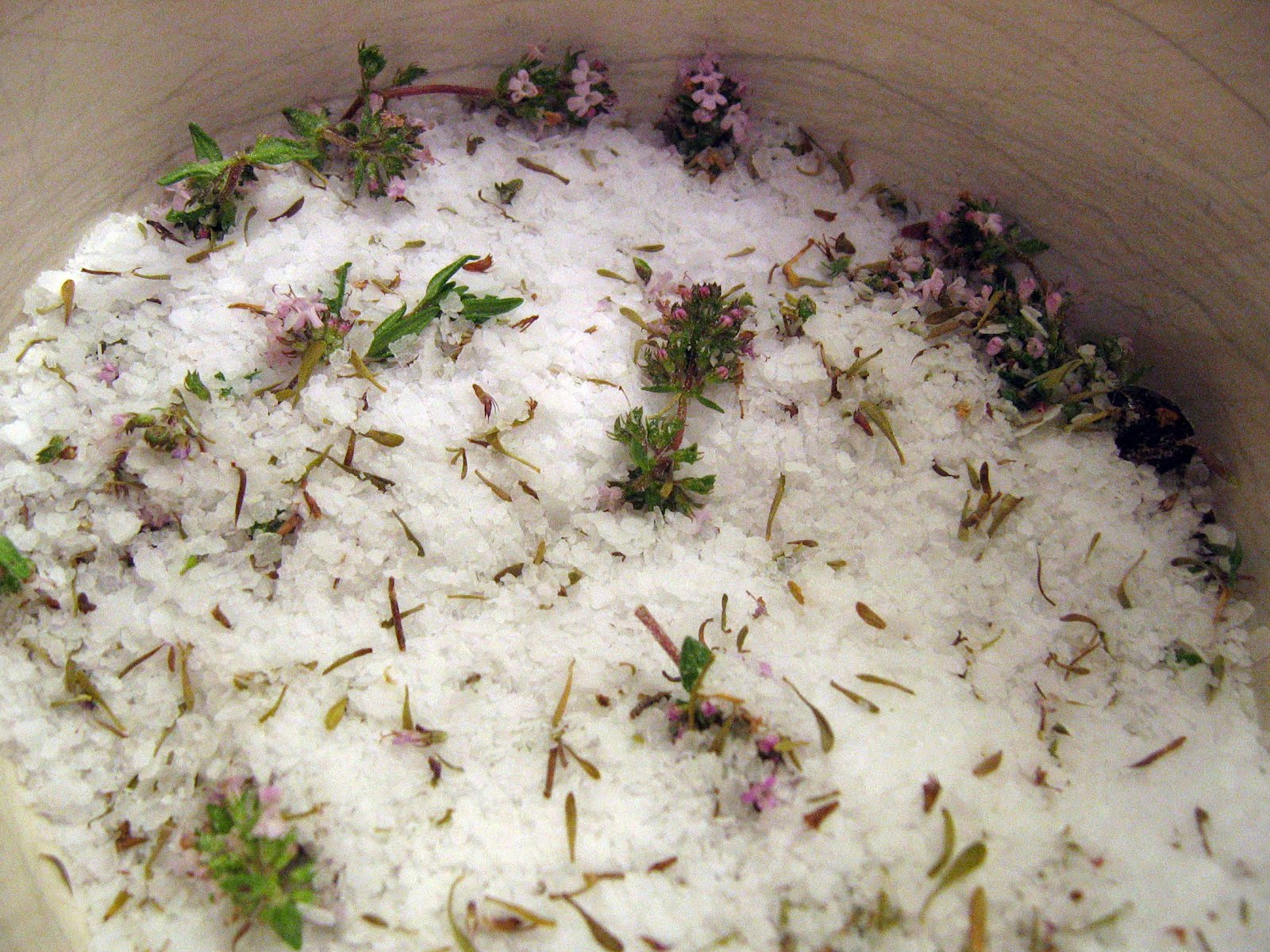
I did two different cures for each breast, one with thyme flowers and juniper berries, and the other with Szechuan pepper and coriander seeds.


You'll want to start by trimming any excess skin of the breast, but don't go crazy, just trim it so it looks nice, then give it a rinse and pat it dry. Set the breasts aside. In a bowl mix together the salt and herbs/spices. You don't have to add any herbs or spices, you could just use salt.

In container pour a layer of the salt mix about a centimeter deep and lay the duck breast on it (flesh side down, skin side up), then cover with the rest of the salt mix, make sure there is no exposed flesh, if you're doing both breasts in the same container make sure they're not touching each other. Ideally you want to use a container that isn't much larger than the breast(s) so you don't have to waste too much salt.

Tightly cover the container and place in the fridge for twenty-four hours.


Remove the breasts from the salt, they should have firmed up, and deepened in colour slightly.


Thoroughly rinse all of the salt off the breast and dry with paper towels. Weigh the breast, and either take a note of it somewhere or make a label you can tie to it later, it's very important to know the weight at this stage.


Dust each breast with some white pepper, or another spice, I used a combination of white pepper and coriander on the Szechuan and coriander cured breast.


Wrap in a single layer of cheese cloth and tie, make sure to leave enough length to use to hang the breast. It's a good idea to add a label with the date you hung it and the weight.


Hang the breasts somewhere cool (10–15°C) and dry (60% humidity), I've hung mine under the stairs as I know it is a pretty constant 10°C no matter the outside temperature. I've seen some people hang it in their fridge, but I'd be a bit worried about cross contamination of flavours.

There are many different times given all over the internet on how long it will take to be ready, but it all depends on the humidity and temperature of where it's being hung. The best way to check if the duck prosciutto is ready, is to weigh it. When it is at 70% of its start weight, it's ready. I've just checked mine and after five days it's only lost 12%.

Saturday, March 10, 2012

Smoked Mackerel


I've been a bit slack on getting my blog posts done, there's a folder on my computer full of images and ideas ready to be written up and sent into the ether, in fact twenty four sub folders. Just this weekend, well Friday night, I've managed to add another three. I need to put on my blogger cap a little more often. Last night I started an endeavour of duck prosciutto spiced with prickly Szechuan pepper, a cure of pork cheek to be smoked and turned into bacon (a few weeks off, due to curing and hanging), and what my dinner will be tonight, confit of pork cheek cooked for 12 hours at 90°C. But I'm not writing about the porky goodness that always seems to grab my attention on this blog, no for that you'll have to wait. Today it's all about fish, Mackerel to be precise.

These are two easy, sub thirty minute meals, well sub 30 minutes if you own a pressure cooker, and if you don't, go buy one. Firstly congee, I've posted about it before, it's a simple and versatile base for any flavour you wish to add, and it's filling. You could do it traditionally if you wish, but that takes a lot of time, what you need is a pressure cooker, one cup of rice and six cups of water, cook on high pressure for 22 minutes and let the pressure drop naturally, then stir like crazy to get a nice porridge texture.


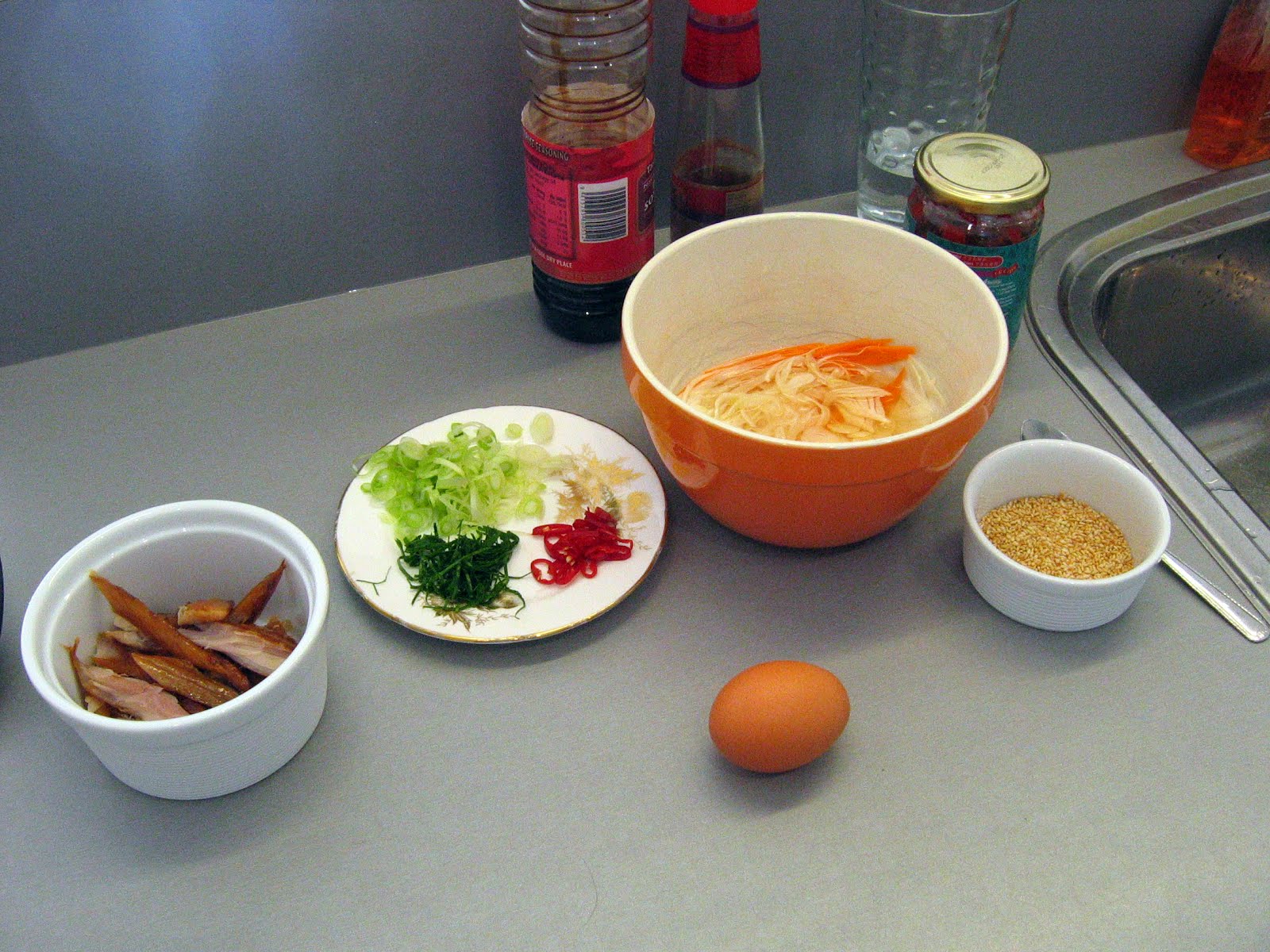
While the rice is doing it's thing and you're not standing at a stove having to stir and make sure it's not sticking etc, get your accompaniments ready. Smoked mackerel; carrot, garlic, and fennel, all sliced paper thin and pickled in mirin and cider vinegar; toasted sesame seeds; sliced chilli, scallions and herbs; sambal oelek; and to gild the lily, an egg yolk, it's going to be raw so go organic or at least free range.

Spoon out your beaten cooked rice into a bowl and make a small well in the centre for the yolk, garnish with the
accompaniments, drizzle a few drops of sesame oil over and finish with a splash of soy sauce.


If like me, you made the congee for one, chances are there is a bit of left over smoked mackerel in the fridge, but fear not, it wont go to waste, just whip up a quick niçoise inspired salad. It's a bit of a one pot wonder. Get a pot of salted water on to boil, drop in a few new potatoes, cook for about 8 minutes, scoop them out with a slotted spoon and set aside. In the same water drop in a handful of green beans and cook for about 3 minutes, then pluck out and drop into ice water. Again in the recycled water drop in an egg and cook for 5 minutes, then transfer to the ice water. That's the cooking done.

To assemble this quick and tasty lunch, dinner, or large snack, grab a bunch of your favourite herbs, tear, chop or shred. Pit some olives, please don't use jarred pitted olives, they taste awful. Whip up a vinaigrette, I like 2 parts cider vinegar, 3 parts oil, spoon of dijon mustard, salt and a mashed anchovy. Slice the potatoes in half or thirds and then toss all of the ingredients together, sans the egg. Serve, topping each salad with the boiled egg, shelled and cut in half.

Saturday, March 3, 2012

Dosa


It was Shrove Tuesday not too long ago and I had a great and rather obvious idea to have pancakes for dinner (as is the tradition). But I wasn't content with stuffed crêpes, no, I was going to make Dosa (a crispy Indian pancake), not that I had any idea how to make them, or actually what they were made of, so the research began.

I read a lot of recipes, and methods and realised that I wasn't going to be eating Dosa for dinner that night, in fact not the next night either, you have to soak lentils and rice, then grind and ferment them. I came up with what I thought was a good set of quantities from reading multiple recipes, and then I came across a page called The Perfect Dosa Recipe, I didn't end up following the recipe from that site, but it was an invaluable source of information.


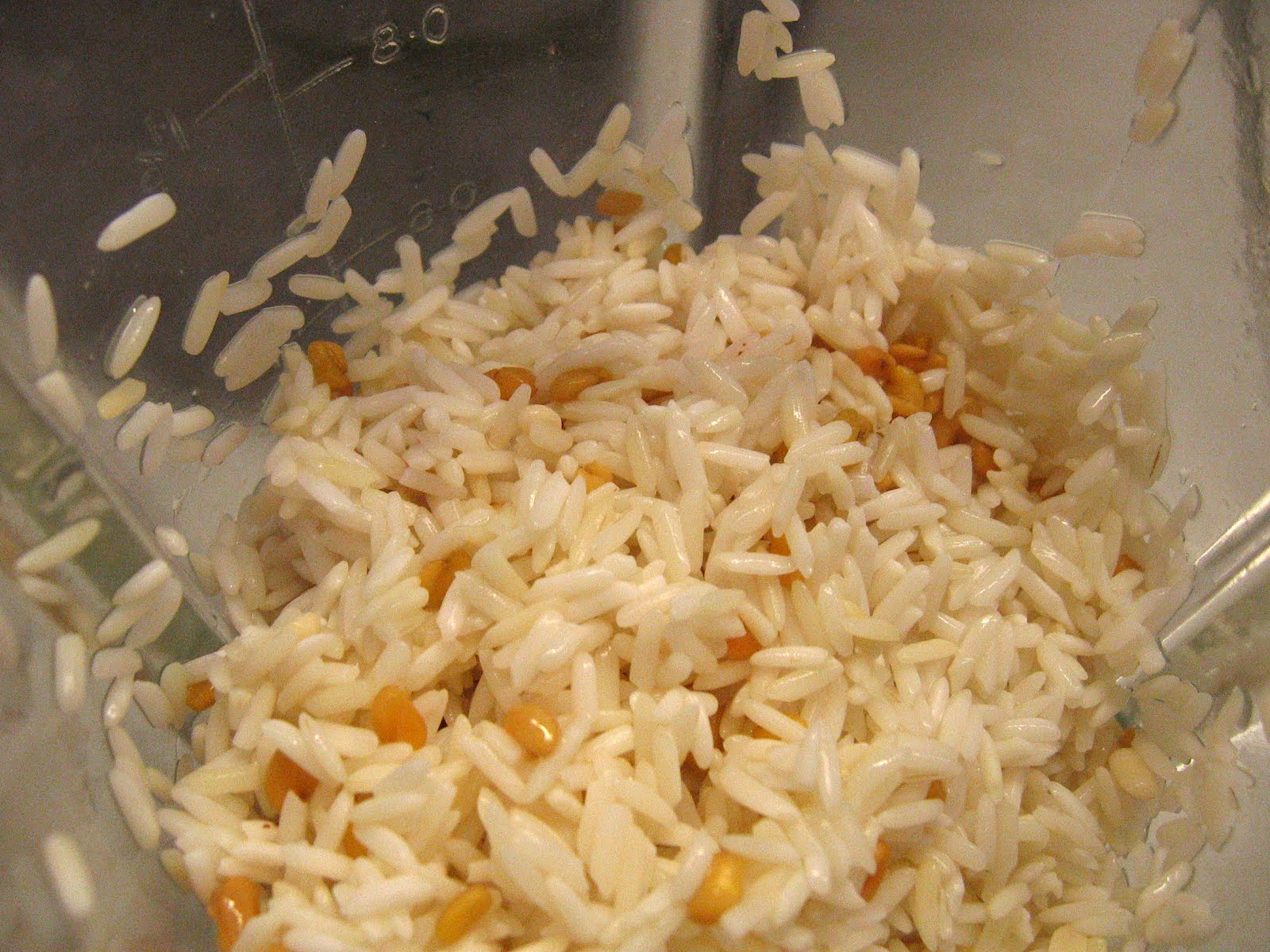
In a bowl put one and a half cups of rice and one teaspoon of fenugreek seeds, fill with water and cover. In another bowl place half a cup of urid dal, fill with water and cover. It's important to soak them separately as you want to grind them separately. Leave the rice and dal to soak overnight, or eight hours.


Drain the rice, retaining the soaking liquid. Transfer the rice to a blender and blend until completely smooth, it'll take a while, you may need to add some of the soaking liquid to the blender, but try not to add too much. Once blended pour the puréed rice in to a bowl. Repeat the process with the urid dal and then pour in to the puréed rice.


Add about one teaspoon of salt and mix together with your fingers, it's very important to use your hands (clean) as apparently the warmth of the hands will kick start the fermenting process. Once thoroughly combined cover and leave to ferment overnight.


The mix should have increased in volume and the texture should almost resemble marshmallow.

Now I defer completely to The Perfect Dosa Recipe for the method of cooking them, it looks simple, but I struggled, there were a lot of 'practice' dosa made. The gist of it is, thin the batter down with some water, you need to be able to pour it, but it shouldn't be runny. Then in a hot pan with a few drops of oil in it, ladle in about quarter of a cup of the batter and using the back of the ladle spread it around the pan in a circular motion (the bit I struggled with), and then drizzle a little oil around the edge of the Dosa. Cook until the bottom of the Dosa is golden brown.


I stuffed the Dosa with a aloo masala (dry potato curry) and served with some coconut masala on the side for dipping.

Sunday, February 26, 2012

Buttercup squash Tortellini


Feeling ambitious after my recent success at making ravioli, I decided to try my hand at tortellini. The navel shaped pasta looked complicated, but after a bit of internet searching and YouTube watching, I was relieved to find out they appeared to be relatively simple to assemble.


The filling was made with some very slow roasted buttercup squash, very very slowly roasted. Cut a whole in the top of the squash, scoop out all the seeds and clean any fibres that cling to the inside. Drizzle in some olive oil, a pinch or two of salt and pepper, a couple cloves of garlic and finally stuff it full of tarragon. Replace the cap of the squash and place it in an oven set at 140°C. Cook for about 3 hours. You will notice, about an hour and a half in to cooking the cavity will be full of liquid, it needs to be cooked until all the liquid has gone. Remove from the oven and set aside to cool.

When the squash is cool enough to handle, scoop the flesh out into a bowl, along with all the stuffing, season the with some olive oil, paprika and white pepper. Mash until almost smooth, but leave a little texture in the purée.


Pasta dough is simple, two parts egg (by weight) and three parts flour, combine together in a bowl to form a dough, tip it out on to the bench, knead until smooth, wrap in plastic wrap and let it rest for half an hour. Then roll it out nice and thin, use a machine to do this, it would be very hard work to use a rolling pin. The above picture is a half of a 2 egg dough rolled out.


Cut out rounds from the dough, I used a 6 cm cutter.


Place a small spoonful of the squash purée in the center of the dough.


Fold in half, making sure to get all the air out and seal the edge. If it does not seal well use your finger dipped in water to trace around the edge before folding.


Fold over the flap.


Finally wrap the pasta around your pinky finger (flap on the outside) and pinch together. If you manage to rope in a helper, you can get through a large number quickly.

Cook in plenty of boiling salted water for a few minutes and then toss through a sauce.


We had the the tortellini with a simple mushroom cream sauce.

Wednesday, February 22, 2012

Yoghurt Scones


We don't have milk in our house, unless we plan ahead and specifically know a dish we're making needs it. We don't have anything against the stuff, it's just that we don't drink it, don't put in our coffee, and don't drink tea often enough to justify buying it. On the odd occasions we do have it, it's been in the fridge so long it's off. So please, don't ask for milk in your coffee.

Feeling rather peckish for a savoury snack I was racking my brain trying to think of what to eat. Nothing appealed, a pantry full of food, a freezer stuffed to bursting and plenty in the fridge, but nothing was going to hit the spot. When finally I decided on a spot of baking, maybe some crackers, nope they wouldn't do, scones, damn no milk, but I have yoghurt, surely that would do.

Pre-heat the oven to 200°C.

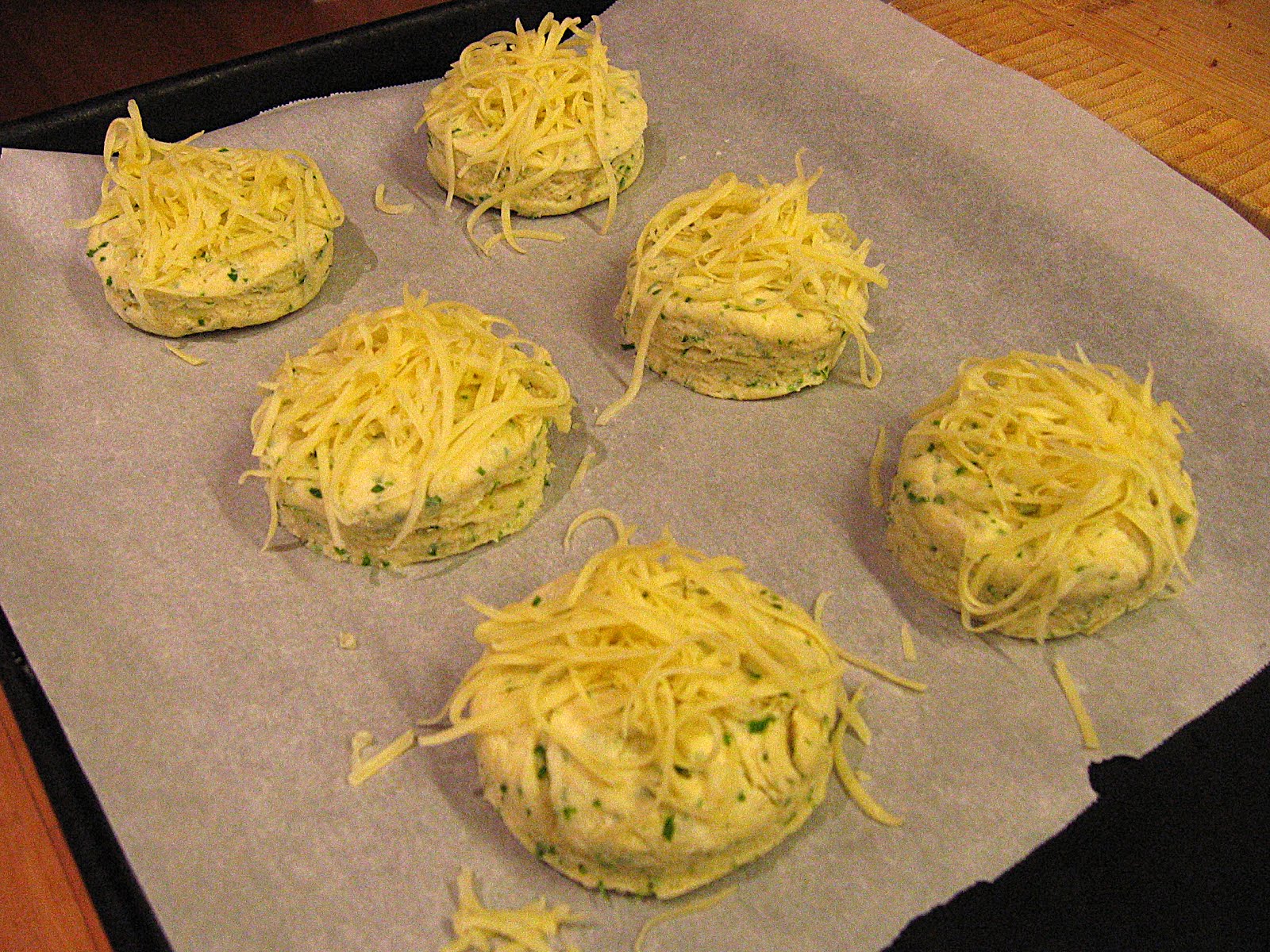
In a food processor pulse together 215 grams of flour, 2 teaspoons of baking powder, salt, 50 grams of butter, a third of a cup of grated cheese and a bunch of parsley.

Tip the flour mixture into a bowl and make a well in the center, pour in a half a cup of yoghurt (plain natural yoghurt, none of that crap with gelatine and thickeners etc.) Quickly work the yoghurt into the flour to form a dough, do not work the dough too much.


Tip the dough on to the bench and roll it out so it's one inch thick. Cut out rounds with a 6 cm (2 & 3/8 inch) cutter. Place them on a tray and top with some grated cheese and bake for 15 minutes. Remove the tray from the oven and let the scones cool on a tray a little, before cutting in half, slathering with butter and devouring.

Sunday, February 19, 2012

Pork hock with lentils


Well I may of mentioned there would be a break from pork related posts, apparently I was incorrect or at least two posts count as a break. This was a very last minute dish, a I have nothing out for dinner, I have no idea what to cook, and staring blankly at shelves in the supermarket without a clue, and then I saw it, and Sophie screwed her nose up and proclaimed "it looks like a foot with its toes cut off". So rather egged on, the pork hock was bought.

Being a week night and knowing that this cut takes time and I didn't have hours to wait for it to slowly braise, the pressure cooker was bought out, but you could do this in an oven, just multiply the cooking time by about three.


Along with the pork hock (not to be confused with bacon hock) place in the pressure cooker some celery, fennel seeds, caraway seed (lovely pumpernickel flavour that pairs so well with fennel and pork), peppercorns, mustard (dijon), onion, carrot, 1/2 cup of water and 1/2 cup of red wine. Cook on high pressure for 45-50 minutes.

While the pork cooks, cook some puy lentils with half an onion and some bay leaves, when tender drain and set aside. Very finely dice some carrot and shallot (brunoise).

When the pork is cooked remove it from the cooker and wrap firmly with some foil to keep it from drying out. Strain the liquid into a pan and reduce until it is thick (about quarter to a third of a cup) put the lentils along with diced shallot and carrot into the pan and toss.

Unwrap the pork and pull off the meat, trying to keep the muscles whole. I recommend having a bowl of cold water or the tap running as the meat will be hot and there is a lot of hot fat, so rinsing your fingers periodically helps.

Finally place a nice heap of the lentils in a bowl with chunks of the melt in the mouth meat on top, drizzle with any left over liquid from the lentils and if you have thyme flowers handy, which probably isn't likely, garnish the dish with them they add a great anise kick.

Tuesday, February 14, 2012

Cornbread


I'm sure the cornbread purists would argue that this is not traditional cornbread, and I would have to humbly agree, although it is indeed bready and corn is the main ingredient (in a form). So where do I stray? I use polenta, it's easier for me to get my hands on than corn meal intended for cornbread use, and I skip the sugar, most recipes I have read have about 1/4 of a cup of it, but that's just not my taste.


Cornbread has become a firm favourite to serve with a hot bowl of chilli, and it's a pleasant change from rice, tacos, tortillas, or nachos. On top of that, the variations you can make are endless.

Base ingredients
1 Cup of Flour
1 Cup of Polenta (or corn meal)
1 teaspoon of baking soda
2 teaspoons of baking powder
1 teaspoon of salt
1/3 Cup of Vegetable oil (or other fat)
1 Cup Butter milk
1 Egg

Preheat the oven to 200°C. Grease/line a loaf tin or lasagne type dish and set aside.

In a bowl whisk together the dry ingredients and set aside. In another bowl whisk together the wet ingredients and other additions (see below). Pour the wet in to the dry bowl and stir until incorporated, do this quickly as the butter milk will react with the baking soda and begin releasing its carbon dioxide. As soon as it has mixed pour it into the baking dish and place it on the middle rack of the oven, cook for 20-25 minutes, or until a knife comes out clean when pierced.


The great thing about cornbread is how customisable it is, the above has had its oil replaced with 50/50 olive oil and melted butter (unsalted), as well as chopped scallions (sounds so much more fun than spring onion) and corn kernels incorporated in the dough with a sprinkle of cheese over it.


And this loaf has had the oil replaced with beurre noisette (brown butter (unsalted)) and incorporated with the dough finely diced parsley, scallions, a touch of smoked paprika and obligatory (well I think so anyway) sprinkle of cheese.


Slices of the moist bread are great for scooping up the sauce of a hot chilli, we had it with a very spicy beef chilli.

Tuesday, February 7, 2012

Red wine marinated roast beef salad


This is so simple to prepare, all it takes is a bit of patience or forethought, and a mandoline (or a sharp knife and steady hand). The earthy taste of the carrots pair nicely with the thin slices of medium rare beef, then little explosions of saltiness from the capers, finishing with fresh anise from fennel cleansing the palette ready for the next bite.


Marinate the beef in red wine and garlic for about 8 hours, or overnight, heck longer the better, but you probably wouldn't want to leave it much longer than 24 hours.


Preheat the oven to 200°C, and get a heavy based pan on the heat, preferably one which is oven proof. Pat the beef dry and season well with salt and pepper. Brown the beef on all sides in the pan with a little butter and oil, you want a good brown crust as it adds bundles of flavor to the beef. Once browned place it in the hot oven and cook until medium rare (internal temperature of 55°C).


Let the meat rest for as long as you can, preferably until it's room temperature.


While the beef is resting, slice some carrot on the thinnest setting of a mandoline, put aside some of the carrot slices to use raw, and in a bowl mix the remaining slices with a bit of vinegar, salt and sugar to make a quick pickle. Chop some parsley, and slice some fennel on the mandoline, again thinner the better. When the beef has finished resting, slice it thinly and lay it out on a plate. Garnish with the carrots, pickled carrots, fennel, capers, parsley, and drizzle over a simple vinaigrette (oil, white wine vinegar, dijon mustard, salt and pepper), finally sprinkle over some flaky or kosher salt.

Thursday, February 2, 2012

Eggplant and parsley ravioli


I have well and truly caught the pasta making bug, and finally have the hang of making it, well apart from the pasta machine I own, which is possibly the single most frustrating piece of kitchen equipment in my house. But that aside, there are bound to be many a post covering my endeavors of pasta making, which I suppose will be a nice break from what seems to be a flood of pork related posts.

Pulling out the flour and eggs to make pasta, has become easier and far more satisfying than getting a packet of the dried variety and boiling, the only frustration is the damn machine I own, but I have now conquered that, one of the rollers seemed to have a mind of its own and refused to turn, but I discovered the handle was pushed in too far and dislodged the roller from the gears, so what was a lot of under the breath swearing and least favorite part of the process is now smooth and easy.

Pasta dough is simple, two parts egg (by weight) and three parts flour, combine together in a bowl to form a dough, tip it out on to the bench, knead until smooth, wrap in plastic wrap and let it rest for half an hour, plenty of time to prepare the sauce, filling or whatever you are going to have with it, just make sure the water you cook it in is good and salty.


This nights dish was my first attempt at ravioli. I roasted an eggplant, cut in half studded with slithers of garlic and drizzled with olive oil. When the eggplant was cooked, I scooped out its soft flesh and combined it with some parsley and a little vinegar, mashing it to make a thick paste.


I cut the pasta dough in two, and rolled each out to the same length and thickness, and put dollops of the filling evenly along one sheet, brushed with a little water around the edges and carefully placed the other sheet of dough on top, making sure to get as much air out as possible, those TV chefs certainly make it look easier than I found it, but I'm sure practice makes perfect.


With a round cutter I pressed out each ravioli, and crimped the edges before placing them in a pot of salted boiling water, they took about 2 minutes to cook. Earlier while the dough was resting, I prepared a simple caper and cherry tomato sauce, with a little kick of chilli, it went beautifully with the ravioli.